
Aged to Paw-fection: A Guide to the Senior Pet Years
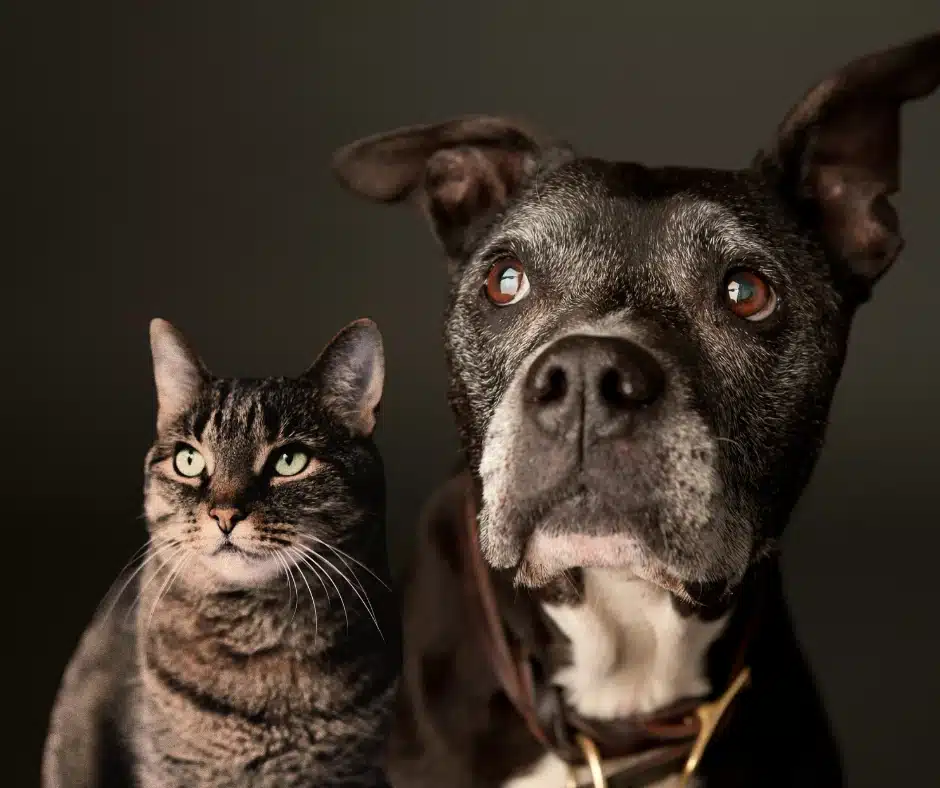
Watching your pet grow older is a privilege but it also brings new responsibilities. As pets enter their senior years, their needs begin to change, sometimes in subtle ways. Understanding these changes is essential to keeping them healthy, comfortable and happy for as long as possible.
When is a Pet Considered a Senior?
While it varies depending on breed and size, most dogs are considered senior between 7–10 years of age and cats around 8–10 years. Larger dog breeds tend to age faster, while smaller pets may remain more active for longer. Regardless of where your pet falls, this stage of life requires a more proactive approach to their care.
Physical Changes You May Notice
As pets age, their bodies naturally slow down. You may notice reduced energy, stiffness, or difficulty with movement. Changes in appetite, weight, or toileting habits can also occur.
While these can be normal signs of ageing, they may also point to underlying health conditions. That’s why it’s important not to assume changes are “just old age”.
Changes You Can’t Always See
Not all ageing is visible. In fact, many of the most significant changes happen internally. Conditions such as kidney disease, liver disease, and diabetes can develop gradually, often without obvious early symptoms.
This is where proactive veterinary care becomes essential because by the time symptoms appear, disease may already be advanced.
Why Regular Screening Becomes Essential
Senior pets benefit from more frequent health checks, with six-monthly visits recommended to closely monitor any changes.
A Senior Health Check goes beyond a standard consult. Every 6 months, it includes:
• A full top-to-tail physical examination, including eyes, ears, teeth, skin, joints, heart, lungs, weight and temperature
• A review of behaviour, nutrition, home environment, oral health, parasite control and vaccination
• Additional checks tailored to your pet, such as blood pressure monitoring (especially important for cats), faecal testing or retrovirus screening (FeLV/FIV in cats)
These regular check-ups help build a complete picture of your pet’s health over time, making it easier to detect subtle changes early.
The Role of Blood and Urine Testing
From 9 years of age, annual comprehensive blood and urine testing is recommended, increasing in importance from 10 years onward.
These tests provide critical insight into your pet’s internal health:
• Blood tests assess organ function, proteins, electrolytes, red and white blood cells and can detect anaemia, inflammation and other systemic conditions
• Thyroid testing is particularly important for senior and geriatric cats
However, it’s important to understand that a blood test alone doesn’t tell the whole story.
A urine test plays a vital role by detecting early signs of kidney disease, often before changes appear in the blood. This means conditions can be identified and managed much earlier, significantly improving outcomes and quality of life.
Together, blood and urine testing provide a more complete and accurate picture of your pet’s health, allowing for truly proactive care.
Supporting Your Pet at Home
Alongside veterinary care, small changes at home can help your senior pet stay comfortable. Supportive bedding, gentle exercise and a balanced diet tailored to their age can all make a meaningful difference.
Monitoring changes in behaviour, appetite and habits also helps you catch potential issues early.
Embracing the Senior Years
Ageing is a natural part of life but with the right care, it can be a positive and well-supported stage. Regular six-monthly health checks, combined with annual blood and urine testing, give your pet the best chance of early detection and effective management of age-related conditions.
Your pet has spent a lifetime by your side; this is your opportunity to support them with the proactive care they deserve in their senior years.
At Vetmed, we take a proactive, individualised approach to senior pet care—combining regular wellness exams, diagnostic screening, lifestyle assessments and ongoing monitoring to support your pet through every stage of ageing.