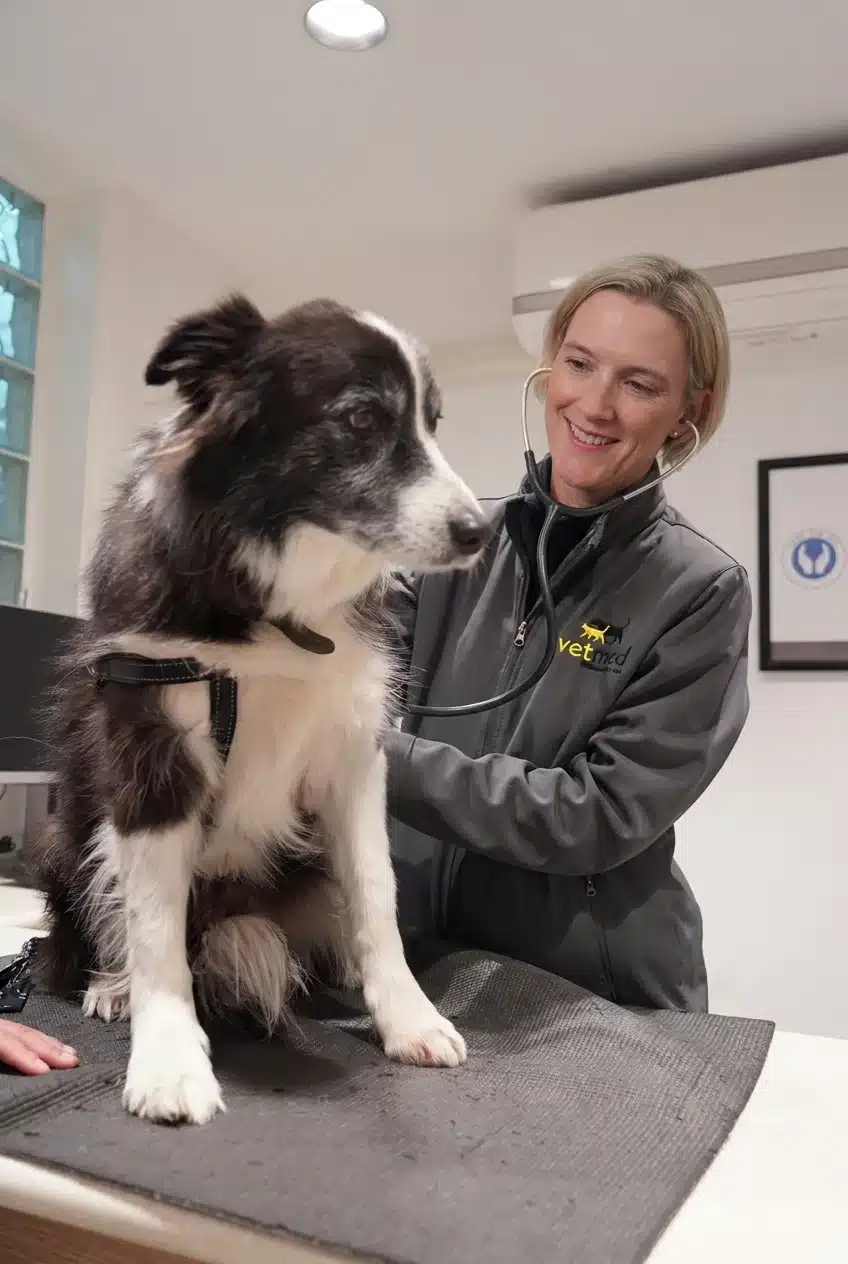
A Comprehensive Senior Health Assessment isn’t just a routine visit. It’s a proactive approach to understanding your pet’s overall wellbeing – designed to detect, monitor and manage the conditions most common in ageing pets, before they become harder to treat.
Book your pet’s Comprehensive Senior Health Assessment
Book your pet’s Comprehensive Senior Health Assessment and get a complimentary* urine test (valued at $55) plus a home environment consultation.
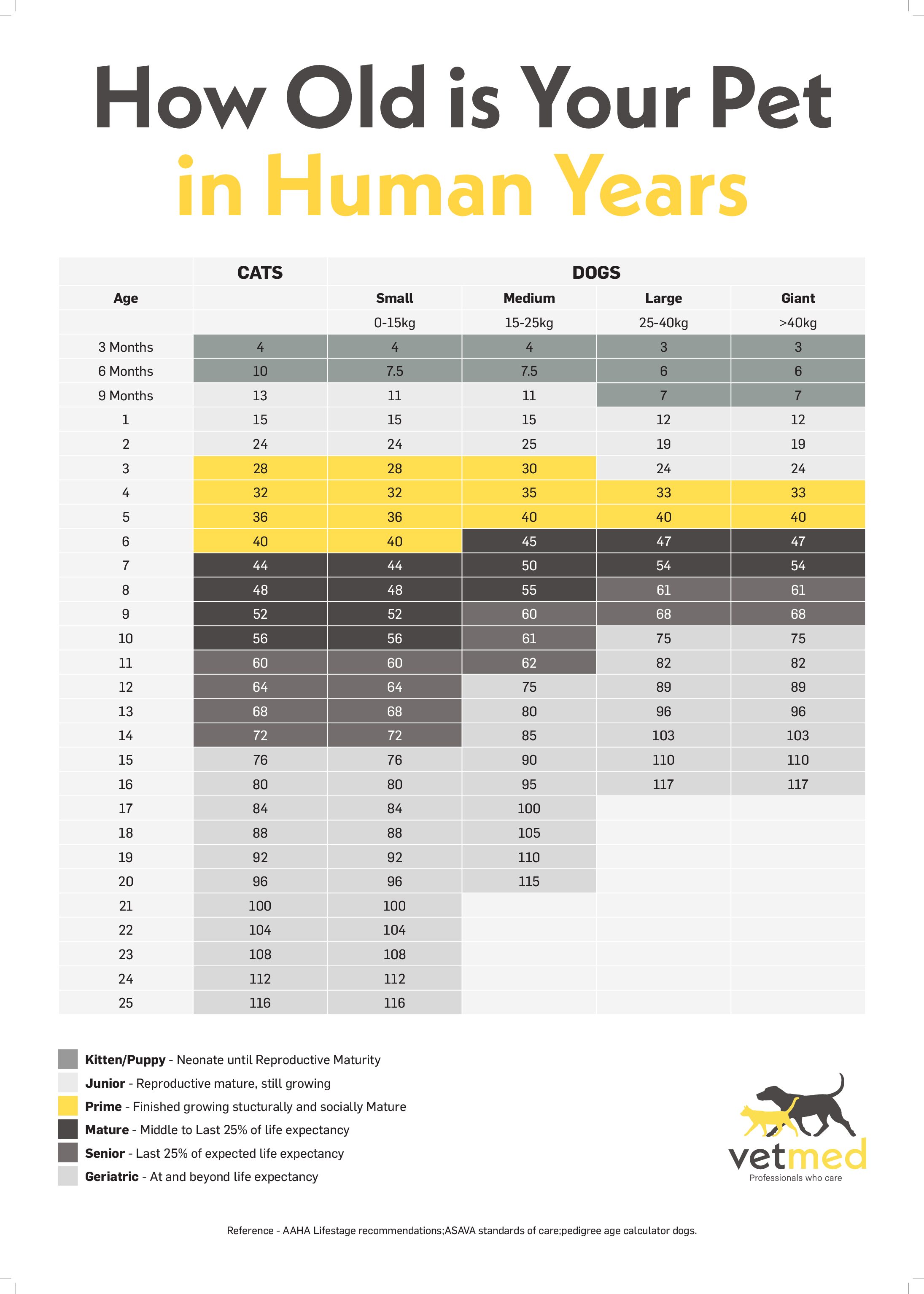
When is Your Pet a “Senior”?
|
Pet Type |
Senior Age Range |
Notes |
|
Small Dogs |
7–10 years |
Tend to live longer, often remain active later in life |
|
Medium Dogs |
6–9 years |
Gradual decrease in activity; may start needing dietary adjustments |
|
Large Dogs |
5–8 years |
More prone to joint issues; early check-ups recommended |
|
Giant Dogs |
4–7 years |
Fastest aging; frequent wellness exams important |
|
Cats |
10+ years |
Many cats remain active and healthy; monitor for subtle changes |
Vetmed’s Gold Standard Approach
Senior pets need more than one type of care and more than one visit per year. Here’s what Vetmed recommends, and what’s covered at each stage.
- Every 6 months – General Senior Health Check
- Full top-to-tail physical exam: eyes & ears, mouth & teeth, skin & coat, muscles, bones & joints, abdomen, heart & lungs, temperature & weight
- Additional checks based on individual needs: blood pressure screening (particularly important for cats), faecal screening, retrovirus testing (cats FeLV/FIV)
- Senior Health Checks also cover behaviour, nutrition, environment, oral health, parasite control and vaccination
Every 12 months — Comprehensive Senior Health Assessment
Everything in the general health check, plus an annual Comprehensive Blood and Urine Tests (9 years, then yearly from 10 years onward)
- Comprehensive blood tests: Chemistry Panel (organ systems, proteins, electrolytes), CBC (red/white cell counts, anaemia, inflammation), Thyroid testing (recommended for senior & geriatric cats)
- Urinalysis: A urine test complements the blood test by enabling earlier kidney disease detection, enhancing preventive care value
Common Health Concerns in Senior Pets
- Arthritis & mobility issues – Joint stiffness, reluctance to climb stairs, difficulty jumping.
- Dental disease – Gum inflammation, tooth loss, or difficulty eating.
- Kidney, liver, or heart disease – Often silent until advanced stages, detectable with routine testing.
- Endocrine disorders – Diabetes or thyroid problems can emerge with age.
- Weight changes – Sudden weight loss or gain may indicate underlying conditions.
- Cognitive decline – Confusion, disorientation, or altered sleep patterns.
- Sensory changes – Reduced hearing or vision affecting daily life.
Why Regular Senior Health Checks Matter
Regular wellness checks allow us to:
- Detect problems early – Early treatment can slow progression and improve quality of life.
- Tailor nutrition & lifestyle advice – Diet, supplements, and exercise plans for aging pets.
- Monitor chronic conditions – Ensure existing health issues are managed effectively.
- Maintain comfort and mobility – Recommend joint support, environment modifications, and pain management if needed.
- Support overall well-being – Mental stimulation, routine care, and grooming tips for a happy senior pet.