Your Senior Dog’s Best Years Are Still Ahead: Here’s How to Make Them Count
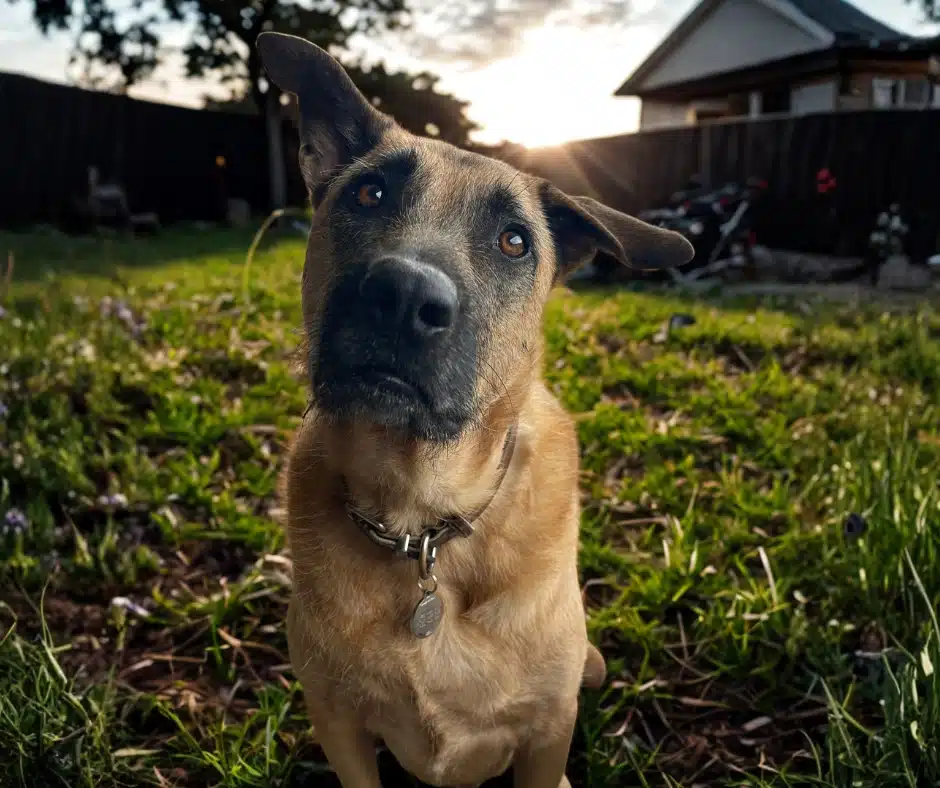
There’s something special about a grey muzzle. The slower pace, the knowing eyes, the way they’ve learned exactly where to place a paw on your lap. Senior dogs don’t just grow older; they grow deeper, and the bond you share becomes richer for it.
As your dog moves into their senior years (generally from around 7–10 years, depending on breed and size), their needs naturally begin to shift. They may sleep more, move a little slower or lose interest in the games they once lived for. These changes are normal, but they’re also your cue to adapt how you care for them.
With the right approach at home and the right support from your vet team, your dog can continue to live a happy, comfortable and fulfilling life. Here’s how to make every one of those vintage years count.
Exercise: Move With Them, Not Against Them
Regular exercise remains important for senior dogs, supporting joint health, weight management, cardiovascular function and mental wellbeing. The key is adjusting the type of exercise, not abandoning it.
Swap long or intense outings for shorter, consistent daily walks (around 30 minutes is a good target for most senior dogs, broken up if needed).
Let your dog set the pace and rest when they need to.
Surface matters more than you might think. Walking on softer ground like grass reduces impact on ageing joints compared to footpaths or hard floors. For dogs that enjoy the water, swimming is an excellent low-impact option, keeping muscles active without putting pressure on joints.
Watch for signs that you’ve pushed too hard: stiffness after activity, limping, reluctance to move, or lagging on walks they once loved. These are worth mentioning to your vet, as they may indicate arthritis or another underlying issue rather than simply “getting old.”
Home Modifications: Small Changes, Big Difference
As mobility changes, the home environment can become a source of unnecessary strain. A few simple adjustments can make day-to-day life much more comfortable.
• Non-slip mats on hard floors prevent slipping and reduce the effort needed to get up and move around
• Orthopaedic or memory foam bedding supports joints during rest, a vital consideration given how much more senior dogs sleep
• Ramps or pet steps for furniture and cars remove the need for jumping, which can be painful for dogs with arthritis or muscle weakness
• Accessible food, water and sleeping spots: keep everything on one level where possible, so your dog isn’t navigating stairs for basic needs
A consistent daily routine also matters more than many owners realise.
Knowing when walks, meals and rest happen gives senior dogs a sense of security and can help reduce anxiety as their world changes around them.
Diet: Feeding for the Life Stage They’re In
As dogs age, their metabolism slows and their nutritional requirements change. Continuing to feed an adult maintenance diet into the senior years can contribute to weight gain, but underfeeding or illness-related weight loss is equally concerning.
Monitor your dog’s weight regularly and in both directions. Gradual weight gain can put additional strain on joints and organs. But unintentional weight loss (even subtle) can be an early indicator of underlying disease, including cancer, kidney disease or dental pain affecting their ability to eat comfortably.
A high-quality senior diet formulated for older dogs can help support joint health, maintain lean muscle mass, manage weight and provide age-appropriate levels of key nutrients. Ask your vet for a recommendation tailored to your dog’s individual needs, breed and any conditions they may have.
Fresh water should always be available. If you notice your dog drinking noticeably more (or less) than usual, flag it at their next vet visit, as changes in thirst can be one of the earliest signs of kidney disease, diabetes or other conditions.
Any dietary changes or supplements should be discussed with your vet before you start.
Dental Care: Don’t Overlook the Mouth
Dental disease is one of the most common (and most underestimated) conditions in senior dogs. By the time symptoms are obvious, the disease is often well advanced.
Pain from dental disease can make eating uncomfortable, affect behaviour and, if left untreated, contribute to systemic health issues as bacteria from the mouth enter the bloodstream.
At home, you can:
• Brush teeth regularly using pet-safe toothpaste (even a few times a week makes a difference)
• Offer vet-recommended dental chews to help reduce plaque build-up
• Check the mouth periodically for redness, swelling or unusual growths
Watch for these signs and bring them to your vet:
• Bad breath that seems worse than usual
• Drooling, pawing at the mouth or reluctance to chew
• Dropping food, chewing on one side or losing interest in meals
• Yellow or brown build-up on teeth or inflamed gums
Your vet will assess your dog’s dental health as part of a Senior Health
Check and advise whether a professional clean is needed.
Mental Enrichment: Keep the Mind Active
Physical health and cognitive health go hand in hand. As dogs age, mental stimulation becomes even more important, not just for entertainment, but for maintaining cognitive function and reducing the risk of Canine Cognitive Dysfunction (the dog equivalent of dementia).
Keeping your dog mentally engaged doesn’t have to be complicated:
• Puzzle toys and treat-dispensing feeders encourage problem-solving and slow eating
• Gentle training sessions (revisiting known commands or learning simple new ones) keep the brain working
• Sniff walks where your dog leads the nose are mentally tiring in the best possible way
• Regular social interaction with people and familiar dogs supports emotional wellbeing
Maintaining that consistent daily routine mentioned earlier also plays a role here, as predictability helps dogs with cognitive changes feel less confused and more settled.
If you notice your dog seeming disoriented, forgetting familiar people or places, sleeping more during the day while restless at night, or showing unusual behaviour changes, speak to your vet. These can be signs of cognitive decline, and early support makes a real difference.
Vet Visits: Catching What You Can’t See
This is perhaps the most important thing you can do for your senior dog, and the one most likely to be put off until “something seems wrong.”
Here’s the problem: dogs are instinctively wired to hide signs of illness and pain. By the time they’re showing obvious symptoms, many conditions are already well progressed. Kidney disease, liver disease, thyroid disorders, cancer and early-stage heart disease can all be developing silently in an otherwise bright, seemingly healthy dog.
For senior dogs, we recommend general health check every six months and comprehensive blood and urine tests annually from 9 years.
Because senior pets age the equivalent of several human years in just twelve months, a lot can change between annual visits.
A Comprehensive Senior Health Assessment goes well beyond a standard consult. It includes:
• A full top-to-tail physical examination: eyes, ears, mouth and teeth, skin, coat, joints, abdomen, heart and lungs
• Comprehensive blood tests, assessing organ function, red and white blood cell counts, and thyroid levels
• A urine test, providing a window into kidney and urinary health that blood tests alone can’t give
• Weight and mobility monitoring
• Arthritis assessment
• Additional screening based on your dog’s individual history and lifestyle
Early detection genuinely changes outcomes. Many of the conditions most common in senior dogs can be managed effectively (or even treated) when caught early. Waiting for symptoms to appear means starting from a much harder position.
Book your Senior Health Check today at any of our clinics in Lindfield, Randwick, Forestville, and Northbridge.