
Beyond Bad Breath: How Dental Disease Affects Your Pet’s Heart, Kidneys and Liver
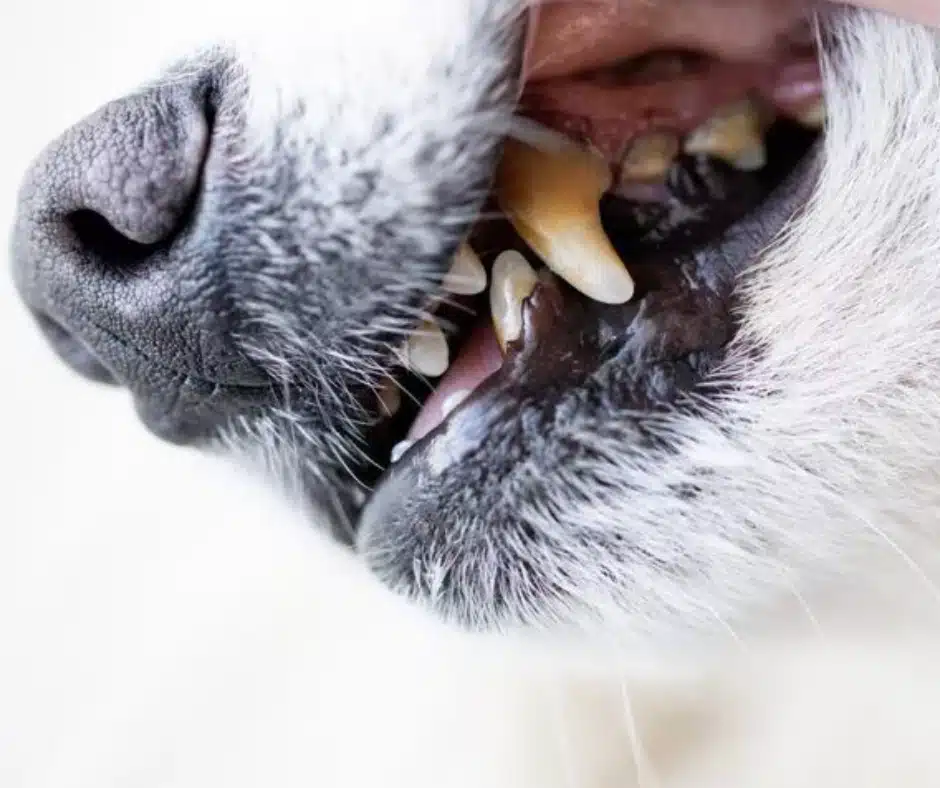
Many pet owners associate dental disease with bad breath, yellow teeth or sore gums. While these are certainly signs that something isn’t right, the effects of poor oral health can extend far beyond your pet’s mouth.
Dental disease is one of the most common health conditions seen in dogs and cats and if left untreated, it can have serious consequences for their overall wellbeing. The bacteria associated with dental disease can enter the bloodstream and potentially impact vital organs, including the heart, kidneys and liver.
Understanding the connection between oral health and whole-body health can help pet owners recognise the importance of regular dental care and preventative treatment.
What Is Dental Disease?
Dental disease begins with the build-up of plaque on the teeth. Plaque is a sticky film made up of bacteria, food particles and saliva. If it isn’t removed through brushing or professional cleaning, it hardens into tartar.
Over time, tartar causes inflammation of the gums, known as gingivitis. As the condition progresses, the infection can spread deeper below the gum line, damaging the tissues and bone that support the teeth. This advanced stage is known as periodontal disease.
Unfortunately, dental disease often develops gradually and pets can continue eating and behaving normally even when they are experiencing significant discomfort.
How Bacteria Travel Through the Body
When gums become inflamed or infected, bacteria can gain access to the bloodstream. Once circulating throughout the body, these bacteria may contribute to inflammation and infection in other organs.
This process can occur over months or even years, meaning a seemingly minor dental issue can potentially have long-term health implications.
While not every pet with dental disease will develop organ-related complications, maintaining good oral health reduces the risk and supports overall wellbeing.
The Impact on the Heart
One of the most well-known links is between dental disease and heart health.
When bacteria enter the bloodstream, they can travel to the heart and contribute to inflammation of the heart valves and surrounding tissues. This may place additional strain on the cardiovascular system and can be particularly concerning for older pets or those with existing heart conditions.
Keeping your pet’s mouth healthy can help reduce the bacterial load entering the bloodstream and support long-term heart health.
The Impact on the Kidneys
The kidneys play a vital role in filtering waste products from the blood. When bacteria from dental infections circulate throughout the body, the kidneys may be exposed to ongoing inflammation.
Over time, this can place additional stress on these important organs. Senior pets are especially vulnerable, as kidney function can naturally decline with age.
Regular dental care is one of many ways pet owners can help support kidney health throughout their pet’s life.
The Impact on the Liver
The liver acts as one of the body’s major filtration and detoxification systems. As blood passes through the liver, bacteria and inflammatory substances associated with dental disease may place extra demands on the organ.
Although the liver is highly resilient, chronic exposure to infection and inflammation can affect its ability to function efficiently over time.
Maintaining a healthy mouth helps minimise unnecessary stress on the body’s natural defence systems.
Signs of Dental Disease in Pets
Because pets are experts at hiding pain, dental disease can often go unnoticed until it becomes advanced.
Some common signs include:
• Bad breath
• Yellow or brown tartar build-up
• Red, swollen or bleeding gums
• Difficulty eating or chewing
• Dropping food from the mouth
• Excessive drooling
• Loose or missing teeth
• Pawing at the mouth
• Reduced interest in food, toys or treats
If you notice any of these symptoms, it’s worth arranging a dental assessment with your veterinarian.
Preventing Dental Disease
The good news is that dental disease is largely preventable.
A few simple steps can make a significant difference:
• Brush your pet’s teeth regularly using pet-safe toothpaste
• Provide veterinary-approved dental chews or diets where appropriate
• Schedule routine dental examinations
• Follow your veterinarian’s recommendations for professional dental cleaning
• Monitor your pet’s mouth for any changes in appearance or behaviour
The earlier dental disease is identified, the easier it is to manage and treat.
A Healthy Mouth Supports a Healthy Body
Dental care is about much more than fresh breath. Your pet’s oral health is closely linked to their overall health, comfort and quality of life.
By staying proactive with dental care and seeking veterinary advice when concerns arise, you can help protect not only your pet’s teeth and gums but also their heart, kidneys and liver.
If it’s been a while since your pet’s last dental check-up, the team at Vetmed can assess their oral health and help develop a plan to keep their smile healthy for years to come.