
Is Brushing Your Pet’s Teeth Really Necessary? (Yes. Here’s How.)
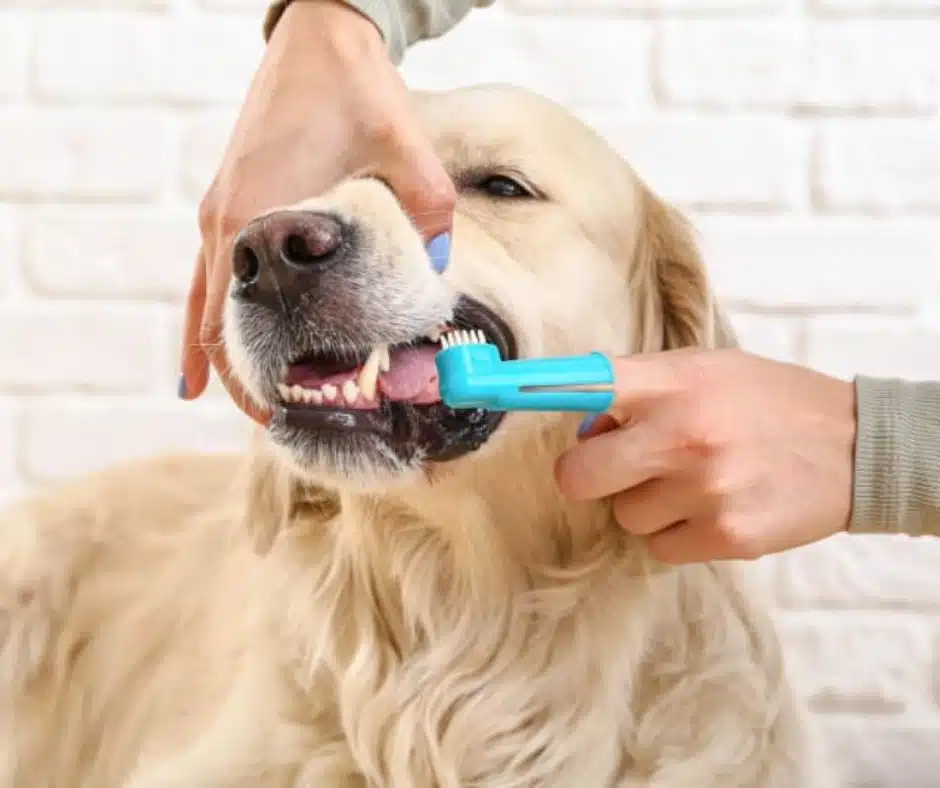
When it comes to caring for our pets, most of us are diligent about feeding them well, keeping up with vaccinations and making sure they get plenty of exercise. But dental care is one area that is often overlooked.
The truth is, brushing your pet’s teeth is one of the most important things you can do to support their overall health. Dental disease is incredibly common in both dogs and cats, with many pets showing signs of dental problems by the age of three. Left untreated, poor oral health can lead to pain, tooth loss and even affect other organs in the body.
The good news? A simple brushing routine can make a significant difference.
Why Dental Health Matters
Plaque begins to build up on your pet’s teeth every day. If it isn’t removed, it hardens into tartar, which can cause inflammation of the gums (gingivitis) and eventually lead to periodontal disease.
Dental disease isn’t just about bad breath. It can cause:
• Pain and discomfort when eating
• Red, swollen or bleeding gums
• Loose or damaged teeth
• Difficulty chewing food
• Chronic infections
• Bacteria entering the bloodstream and potentially affecting the heart, liver and kidneys
Because pets are so good at hiding discomfort, dental disease can often go unnoticed until it becomes quite advanced.
Signs Your Pet May Have Dental Disease
Some common signs to look out for include:
• Bad breath
• Yellow or brown build-up on the teeth
• Red or bleeding gums
• Dropping food while eating
• Reduced appetite or chewing on one side of the mouth
• Excessive drooling
• Pawing at the mouth or face
• Changes in behaviour or reduced interest in toys and treats
If you notice any of these symptoms, it’s a good idea to book a dental check-up with your veterinarian.
How to Brush Your Pet’s Teeth
Brushing your pet’s teeth may sound like a challenge, but most pets can learn to tolerate it with a little patience and positive reinforcement.
Here are a few simple steps to get started:
1. Start Slowly
Allow your pet to become familiar with having their mouth gently handled. Begin by lifting their lips and rewarding them with praise or treats.
2. Use Pet-Safe Toothpaste
Never use human toothpaste, as it contains ingredients that can be harmful if swallowed. Pet toothpaste is specially formulated in flavours that are more appealing to dogs and cats.
3. Choose the Right Toothbrush
A soft-bristled pet toothbrush or finger brush works well for most pets. Your veterinary team can recommend the best option for your pet’s size and age.
4. Focus on the Outside Surfaces
The outer surfaces of the teeth are where plaque commonly accumulates, so this is where to concentrate your efforts. Gentle circular motions are all that’s needed.
5. Keep It Short and Positive
Start with just a few seconds at a time and gradually build up. Offering praise or a favourite treat afterwards can help create a positive association.
Are Dental Treats Enough?
Dental chews, special diets and water additives can certainly support good oral health, but they shouldn’t replace brushing. Think of them as helpful extras rather than substitutes.
Daily brushing remains the gold standard for preventing plaque build-up and maintaining healthy teeth and gums.
Regular Veterinary Dental Checks Are Still Important
Even with excellent home care, regular veterinary dental examinations are essential. Some dental issues develop below the gum line and can’t be seen during a routine look inside your pet’s mouth.
Your veterinarian can assess your pet’s oral health and recommend professional dental cleaning if required.
A Healthy Mouth Means a Healthier Pet
Brushing your pet’s teeth may seem like a small task, but it can have a big impact on their long-term health and comfort. Establishing a simple dental care routine at home can help prevent painful dental disease and keep your pet feeling their best for years to come.
If you’re unsure where to start or would like your pet’s teeth checked, the team at Vetmed is here to help. Early dental care is one of the easiest ways to support a happy, healthy life for your furry companion.