
The Dirty Truth About Your Pet’s Mouth And Why Bad Breath Is Never Normal
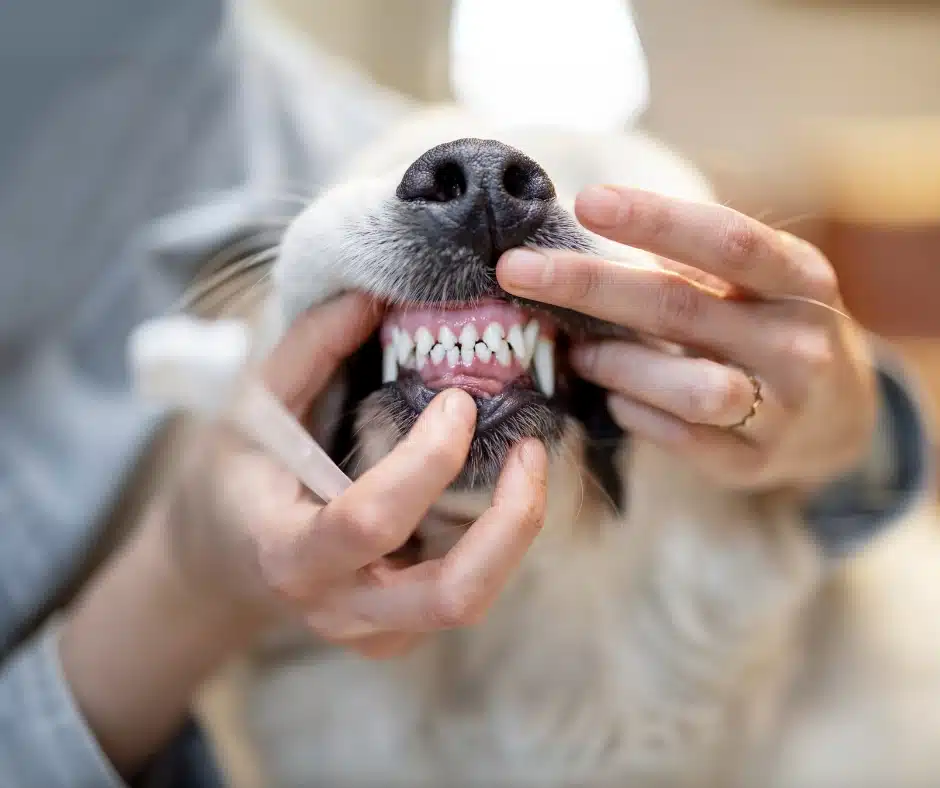
It’s something many pet owners joke about, “dog breath” or a cat with a slightly smelly mouth. But the truth is, bad breath in pets isn’t normal. It’s often one of the first signs of dental disease, a common yet frequently overlooked health issue in both dogs and cats. Behind that unpleasant smell could be pain, infection and wider health risks that go far beyond the mouth.
What causes bad breath in pets?
Bad breath, or halitosis, is most commonly caused by a build-up of plaque and tartar on your pet’s teeth. This build-up creates the perfect environment for bacteria to grow, leading to inflammation of the gums (gingivitis) and eventually more serious periodontal disease.
As dental disease progresses, bacteria can move below the gumline, damaging the tissues and bone that support the teeth. This can result in pain, loose teeth and infection.
While dental disease is the most common cause, bad breath can sometimes indicate other health concerns, such as digestive issues or systemic illness. Either way, it’s a sign that shouldn’t be ignored.
The hidden impact of dental disease
Dental disease doesn’t just affect your pet’s mouth; it can impact their entire body.
Bacteria from infected gums can enter the bloodstream and potentially affect vital organs such as the heart, liver and kidneys. Over time, this can contribute to more serious health complications, particularly in older pets.
Despite this, dental disease is incredibly common. By the age of three, the majority of dogs and cats show some signs of it and often without their owners realising.
Signs your pet may have dental disease
Bad breath is often the earliest and most noticeable sign, but there are other indicators to watch for.
These may include:
• Yellow or brown build-up on the teeth
• Red, swollen or bleeding gums
• Difficulty eating or chewing
• Dropping food or favouring one side of the mouth
• Pawing at the mouth or face
• Increased drooling
• Changes in behaviour, such as irritability or withdrawal
In many cases, pets will continue eating despite discomfort, making dental issues easy to miss. That’s why regular checks are so important.
Why it’s often overlooked
Dental disease is one of the most underdiagnosed conditions in pets. Because it develops gradually, many owners assume bad breath or mild tartar build-up is normal. Pets also rarely show obvious signs of pain. What may look like a small issue on the surface can be much more advanced beneath the gumline. By the time visible symptoms appear, disease may already be well progressed.
The importance of early care
The good news is that dental disease is both preventable and manageable, especially when caught early.
Regular dental care can:
• Reduce pain and inflammation
• Prevent tooth loss
• Lower the risk of infection spreading
• Improve your pet’s overall health and quality of life
Professional dental checks allow your veterinary team to assess your pet’s oral health and identify any issues before they become serious. In some cases, a dental procedure under anaesthetic may be recommended to properly clean below the gumline and treat any disease.
What you can do at home
Home care plays a key role in maintaining your pet’s dental health. Simple habits can make a big difference over time.
This may include:
• Regular tooth brushing with pet-safe toothpaste
• Dental chews or vet-recommended products
• Keeping an eye out for changes in breath, eating or behaviour
Even small steps can help slow the build-up of plaque and keep your pet’s mouth healthier between veterinary visits.
At Vetmed, we take dental health seriously because we know how much it can impact your pet’s overall wellbeing. Regular check-ups and early intervention are key to preventing discomfort and more serious health issues. If your pet has bad breath, it’s worth having it checked. It may seem minor, but it’s often a sign of something more.