
Keeping Your Senior Cat Happy, Healthy and Comfortable at Home
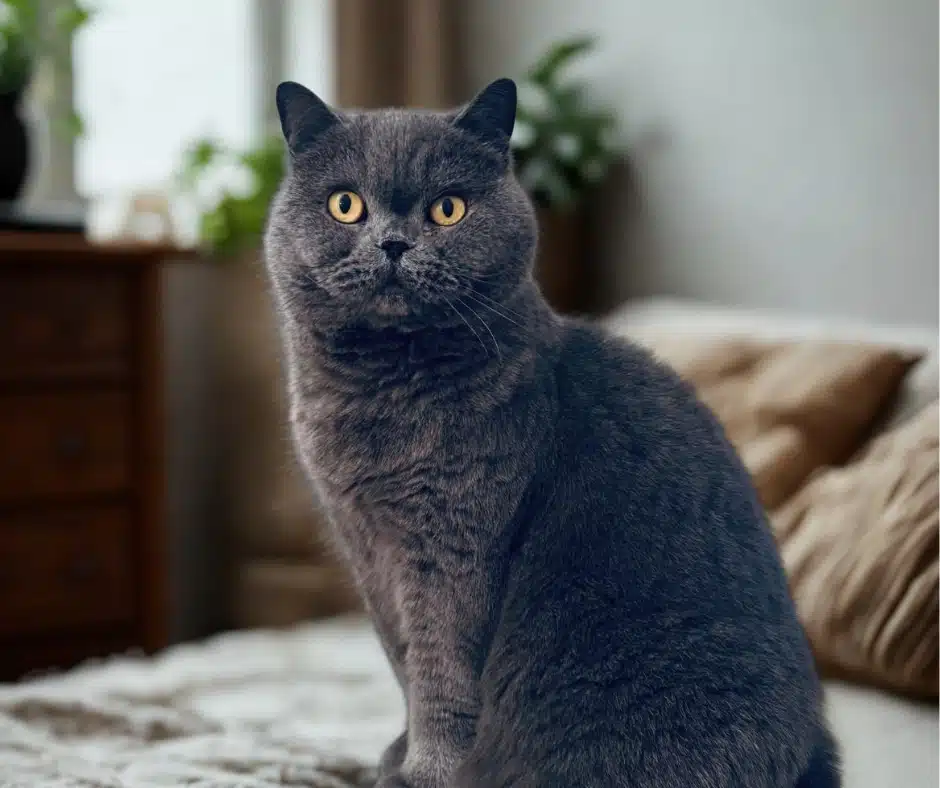
As cats age, their needs begin to change in subtle but important ways. Many senior cats (typically over 7–10 years of age) are masters at hiding discomfort, so small adjustments at home can make a big difference to their quality of life. With the right care, your cat can continue to feel safe, comfortable and content well into their golden years.
Nutrition: Supporting Ageing Bodies
A balanced, age-appropriate diet is one of the most important ways to support your senior cat’s health. Older cats may have slower metabolisms, reduced muscle mass or underlying conditions such as kidney disease or arthritis that influence their nutritional needs.
Look for high-quality senior cat foods that are easy to digest and contain adequate protein to maintain muscle. Some cats may benefit from wet food to increase hydration, particularly as thirst drive can decrease with age. Always ensure fresh water is easily accessible in multiple locations around the home.
If your cat has a diagnosed health condition, your vet may recommend a prescription diet tailored to their specific needs. Sudden changes in appetite, weight loss or increased thirst should always be checked by your veterinarian.
Grooming: Helping Where They Can’t
Senior cats often groom themselves less effectively due to stiffness, dental disease or general fatigue. This can lead to matting, dandruff or an unkempt coat.
Regular gentle brushing helps remove loose fur, prevent mats and stimulate circulation. It’s also a great opportunity to check for lumps, skin changes or parasites. For long-haired cats, more frequent grooming may be needed to keep them comfortable.
Don’t forget about claws, older cats may be less active and unable to naturally wear them down, so regular nail trims can prevent overgrowth and discomfort.
Litter Box Access: Keeping It Simple
Mobility changes can make accessing the litter tray more difficult. Arthritis, in particular, can make climbing into high-sided boxes painful.
Consider switching to a litter tray with low sides or adding a ramp for easier entry. Place litter boxes in quiet, easily accessible areas, ideally one on each level of your home if applicable. Avoid moving them frequently, as senior cats rely on routine and familiarity.
If your cat starts having accidents outside the litter box, it’s important not to assume it’s behavioural. This can often signal pain, mobility issues or an underlying medical condition.
Home Modifications: Small Changes, Big Impact
Creating a senior-friendly environment can significantly improve your cat’s comfort and independence.
Provide soft, supportive bedding in warm, draught-free areas. Heated pet beds can be especially soothing for cats with arthritis. Ensure your cat can easily access their favourite resting spots, this may mean adding steps or ramps to beds, couches or window perches.
Keep food, water and litter trays within easy reach to minimise the need for excessive jumping or climbing. Non-slip mats on floors can also help cats who are unsteady on their feet feel more secure.
Monitoring Health: Knowing When to See the Vet
Because cats are so good at hiding illness, regular veterinary check-ups are essential in their senior years. Routine blood and urine testing can help detect common age-related diseases, such as kidney disease, diabetes, thyroid issues and high blood pressure (hypertension) – before obvious symptoms appear. Hypertension is particularly common in senior cats, often occurring alongside kidney or thyroid disease, and rarely shows obvious signs at home, making routine screening at your vet visit especially important.
At home, keep an eye out for changes in behaviour, appetite, weight, grooming habits, mobility or litter box use. Even subtle shifts can be early warning signs that something isn’t right. Increased thirst and urination are especially worth noting, as these can be early indicators of kidney disease, diabetes or hyperthyroidism.
If you notice your cat hesitating to jump, sleeping more than usual, vocalising differently, withdrawing from interaction, or hiding away in unusual spots, it’s worth booking a check-up. Early intervention can make a significant difference in managing many conditions and maintaining your cat’s quality of life.
We recommend senior cats visit the vet every six months, because in cat years, a lot can change in that time.
Book a Senior Health Check at Vetmed
Caring for a senior cat doesn’t have to be complicated. With thoughtful adjustments, regular monitoring and support from your veterinary team, you can ensure your cat remains happy, healthy and comfortable at home.
Ready to book your senior cat’s health check? Contact us today
Lindfield, Randwick, Forestville, and Northbridge.