
What Your Senior Pet Isn’t Telling You About Their Health
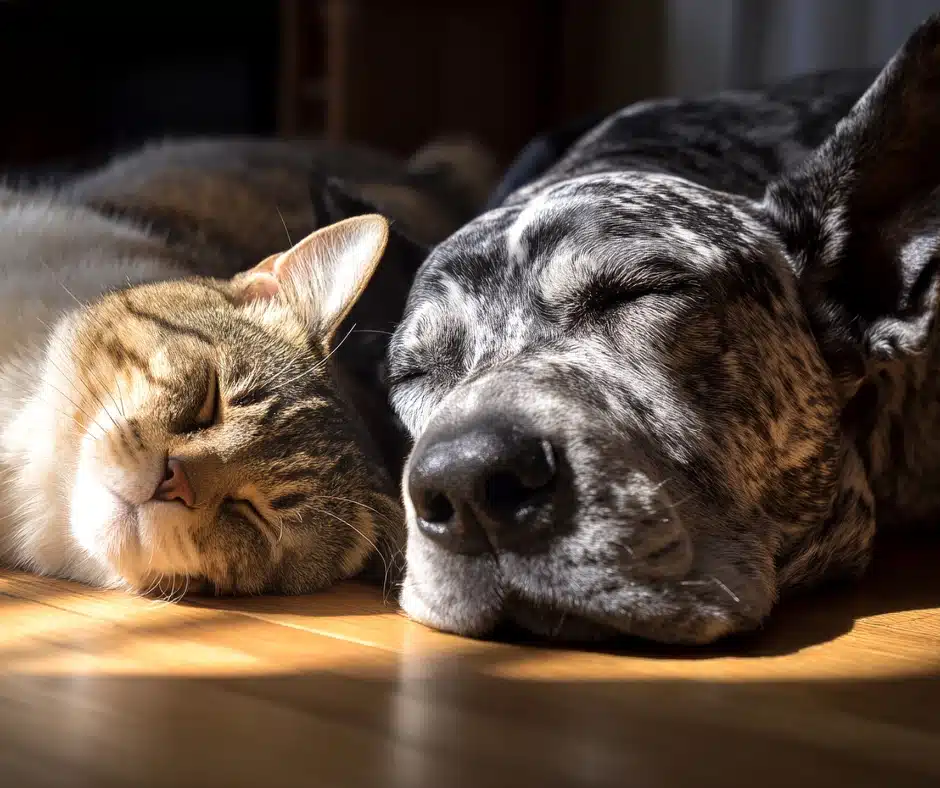
As pets enter their senior years, their health needs begin to change, often in ways that aren’t immediately visible. While your dog or cat may still seem happy and comfortable on the surface, underlying health issues can develop quietly over time.
The challenge is that pets are experts at hiding illness. By the time clear symptoms appear, a condition may already be advanced. Understanding what your senior pet isn’t telling you can make all the difference in protecting their long-term health.
Why pets don’t show obvious signs
Dogs and cats instinctively mask pain and illness. In the wild, showing weakness could make them vulnerable, so they adapt by hiding discomfort for as long as possible.
This behaviour doesn’t disappear in a home environment. Instead of obvious signs, pets tend to show subtle changes, often so gradual they’re mistaken for normal ageing.
You might notice your pet sleeping more, slowing down or behaving a little differently. These changes are easy to dismiss, but they can sometimes signal underlying disease.
What’s happening beneath the surface
As pets age, every organ system is affected. Over time, organs such as the kidneys, liver and endocrine system can become less efficient and more susceptible to disease.
Many of the most common conditions in senior pets develop silently, without clear external signs in the early stages.
These include:
- Kidney disease, which can progress significantly before symptoms appear
- Liver disease, often difficult to detect without testing
- Diabetes, where early signs may be mild
- Thyroid disorders, affecting metabolism and behaviour
- Urinary tract conditions, which may not be obvious initially
Because these diseases develop internally, they can’t always be detected through observation alone.
The role of blood and urine testing
Routine blood and urine testing is one of the most effective ways to uncover hidden health issues in senior pets. These tests provide a detailed picture of your pet’s internal health, allowing veterinarians to assess organ function and detect disease early.
Importantly, testing can identify changes before your pet shows any outward symptoms. This creates an opportunity to intervene earlier, often leading to better outcomes and more treatment options.
These tests also establish a baseline for your pet, making it easier to track changes over time and spot potential concerns sooner.
Subtle signs that shouldn’t be ignored
Although pets hide illness well, there are still small clues that can indicate something isn’t right.
Watch for:
• Changes in appetite or drinking habits
• Weight loss or gain
• Reduced energy or reluctance to exercise
• Changes in toileting habits
• Behavioural shifts or withdrawal
• Changes in coat condition or grooming
On their own, these signs may seem minor. But together, they can provide valuable insight into your pet’s health.
Why early detection matters
Early detection is key to managing many age-related conditions. When problems are identified early, treatment can begin sooner, often slowing disease progression and improving quality of life.
Proactive care can:
• Help maintain comfort and mobility
• Reduce the need for more intensive treatments later
• Support a longer, healthier life
• Give you peace of mind about your pet’s wellbeing
It also allows your veterinary team to tailor a care plan specifically to your pet’s needs.
Supporting your senior pet
For senior dogs, we recommend general health check every six months and comprehensive blood and urine tests annually from 9 years.
Because senior pets age the equivalent of several human years in just twelve months, a lot can change between annual visits.
Your role at home is just as important. Noticing small changes and sharing them with your vet can help detect issues earlier and ensure your pet receives the care they need.
Your pet may not be able to tell you when something is wrong but that doesn’t mean nothing is happening. With regular check-ups and proactive screening, you can uncover what they’re not saying and help them enjoy a healthier, more comfortable life in their senior years.