
Your Dog’s Lifelong Health: A Complete Guide to Preventative Care by Life Stage
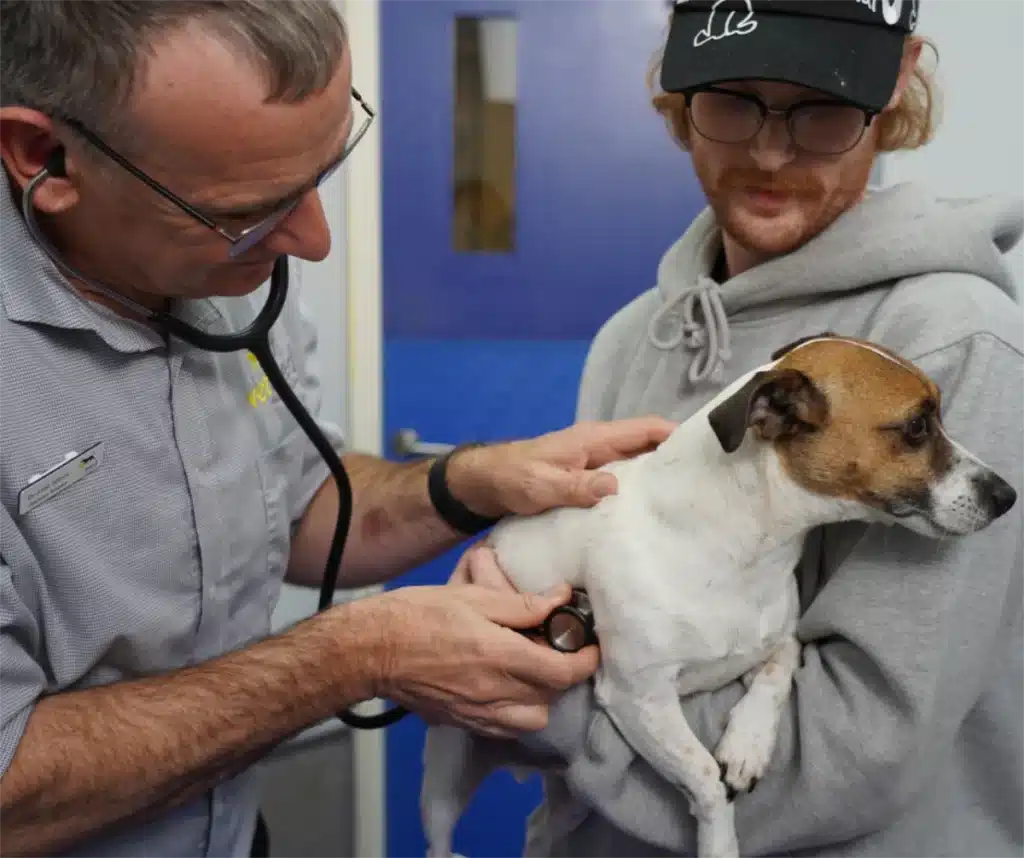
As a dog owner, you want to give your furry friend the best possible life. But with so much information out there, it can be overwhelming to know exactly what care your dog needs at each stage of their life. That’s why our experienced Vetmed team have created this comprehensive guide to help you navigate your dog’s preventative care journey from puppyhood through their senior years.
Why Preventative Care Matters
Preventative care is the foundation of your dog’s long-term health and wellbeing. Regular check-ups, vaccinations, and early detection of potential health issues can help your dog live a longer, happier, and more comfortable life. By staying proactive rather than reactive, you can catch problems before they become serious and often costly to treat.
Puppy (Birth to 6-9 Months)
The puppy stage is one of the most critical periods in your dog’s life. During these first months, you’re not just caring for a growing pup; you’re setting the stage for their entire life.
Health Checks
Your puppy will need multiple veterinary visits during this crucial period:
- 6-8 weeks
- 12 weeks
- 16 weeks
- 6 months
These visits allow your vet to monitor growth, development, and catch any congenital issues early.
Vaccinations
Puppies receive their core vaccinations (C7) at 6-8 weeks, 12 weeks, and 16 weeks. These vital immunisations protect against:
- Parvovirus
- Distemper
- Infectious canine hepatitis
- Canine cough (including Parainfluenza virus and Bordetella bacteria)
- Leptospirosis
Parasite Control
Starting early is key to keeping your puppy parasite-free:
Intestinal Worming: Every two weeks until 12 weeks old, then monthly until 6 months, and every 3 months thereafter.
Flea & Tick Prevention: Begin at 6-8 weeks with oral or spot-on treatments, or opt for a yearly injection from 6 months.
Heartworm Prevention: Start at 12 weeks with oral medication or a yearly injection from 6 months.
Key Focus Areas
- Socialisation and training: Expose your puppy to various people, animals, and environments in a positive way
- Bite inhibition: Teach gentle mouth behaviour early
- Puppy-proofing: Create a safe environment for your curious explorer
- Microchipping: Required at 12 weeks
- Desexing discussion: Talk to your vet at 6 months, with the procedure typically performed between 6-12 months depending on breed
Nutrition
Puppies have unique nutritional needs:
- High energy and protein to support rapid growth and muscle development
- Balanced calcium and phosphorus for strong bones
- Frequent, smaller meals for digestive health
- Specialised puppy formula (adult foods are insufficient)
Junior (9 Months to 3-4 Years)
This is when your dog hits their prime. They’re full of energy, and maintaining their health now will pay dividends later.
Health Checks
• 15 months
• Annual checks from 2 years onwards
Vaccinations
Annual booster shots keep your dog’s immunity strong.
Blood Tests
At 2 years old, a comprehensive blood test establishes a baseline for your dog’s health. This becomes invaluable for comparison as they age.
Parasite Control
Maintain your routine:
- Intestinal worming every 3 months
- Flea and tick prevention (oral, spot-on, or yearly injection)
- Heartworm prevention (oral or yearly injection)
Key Focus Areas
- Weight control: Many dogs begin to gain weight as their growth slows and activity levels change
- First dental cleaning: If needed, address dental health early
- Continued training: Reinforce good behaviour and mental stimulation
- Breed screening: Some breeds benefit from specific health screenings
Nutrition
- Balanced diet for weight maintenance, energy, and muscle support
- Adjust portions according to activity level
- Include omega-3 fatty acids and antioxidants for skin, coat, and immunity
- Monitor body condition score to prevent obesity
Prime & Mature (4 Years to 8-10 Years)
Your dog is still active and vibrant, but subtle changes are beginning. This is the perfect time to be proactive about age-related conditions.
Health Checks
Annual veterinary visits remain essential.
Vaccinations
Continue annual boosters.
Blood Tests
Comprehensive blood tests at 5 years and 7 years help detect early signs of organ dysfunction or other health issues before symptoms appear.
Parasite Control
Maintain your established routine:
• Intestinal worming every 3 months
• Flea and tick prevention
• Heartworm prevention
Key Focus Areas
- Early arthritis watch: Look for subtle signs like reluctance to jump or slower movement
- Muscle condition: Maintain lean muscle mass through appropriate exercise
- Dental care: Regular cleaning prevents painful dental disease
- Reproductive checks: Monitor for any changes
Nutrition
- Slightly lower calorie diet to prevent gradual weight gain
- Maintain lean muscle mass with high-quality proteins
- Begin considering joint support supplements (glucosamine, chondroitin)
- Continue antioxidants to support early ageing immune changes
- Monitor for early signs of health issues (kidney, liver, dental, weight)
Senior (8-10 Years and Beyond)
Your faithful companion deserves special attention during their golden years. More frequent monitoring ensures you catch and manage age-related conditions early.
Health Checks
Increase to every 6 months. These more frequent visits allow for closer monitoring of chronic conditions and faster intervention if needed.
Vaccinations
Annual boosters continue to be important for maintaining immunity.
Blood Tests
Comprehensive blood tests at 9 years, then yearly from 10 years onward, help monitor organ function and detect problems early when they’re most treatable.
Parasite Control
Don’t let age be an excuse to skip parasite prevention:
- Intestinal worming every 3 months
- Flea and tick prevention
- Heartworm prevention
Key Focus Areas
- Pain and arthritis management: Keep your senior comfortable with appropriate medications and supplements
- Cognitive changes: Watch for signs of cognitive decline and discuss management options
- Mobility adaptations: Make life easier with ramps, orthopaedic beds, and non-slip flooring
- Quality of life: Focus on comfort and happiness
Nutrition
Senior dogs need specialised nutrition:
- Lower calorie, higher fibre diets to prevent obesity and aid digestion
- Easily digestible proteins to maintain lean muscle mass
- Joint support nutrients (glucosamine, chondroitin, omega-3)
- Adjust sodium, phosphorus, and protein as needed for kidney/liver health
- Focus on hydration and palatability
The Bottom Line
Every dog is unique, and their health needs may vary based on breed, age, lifestyle, and medical history. This guide provides a roadmap, but your veterinarian is your partner in creating a personalised preventative care plan for your individual dog.
Remember, preventative care is an investment in your dog’s future. The time and resources you dedicate to keeping your dog healthy today will reward you both with more quality years together.
Always consult your veterinarian before starting, changing, or combining vaccinations, blood tests, parasite control, nutrition plans, or any other preventative care measures. Your vet knows your dog best and can tailor recommendations to their specific needs.
At Vetmed, we’re committed to helping you provide the best possible care for your dog throughout every stage of their life. For more information or to schedule an appointment, contact your local Vetmed clinic today.
With clinics in .Lindfield, Randwick, Forestville, and Northbridge. Vetmed makes proactive pet care easy and accessible.