
Keeping Your Pets Happy and Safe This Christmas
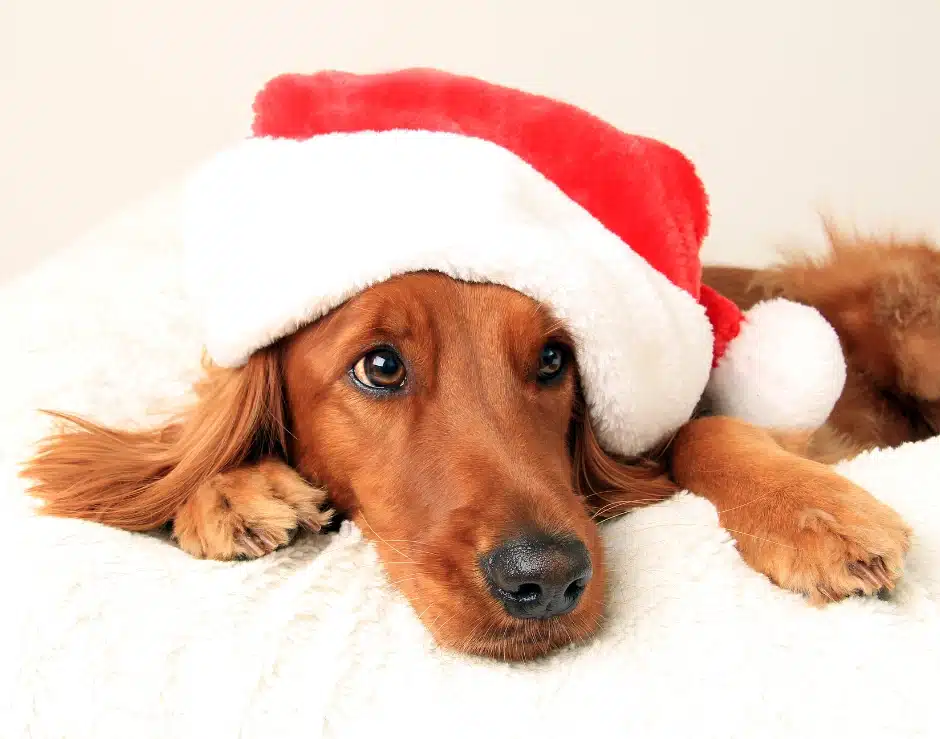
The holiday season is a time of joy, togetherness and celebration, but it also poses unique risks for our pets. With festive decorations, tempting treats, visiting guests and hot summer days, the Christmas period can get overwhelming fast. At Vetmed, we want you and your companion to enjoy every moment safely. That’s why we’ve put together this holiday survival guide to help you create a merry, stress-free Christmas for all members of your family – including the four-legged ones!
Holiday Hazards: What to Watch For
Toxic Foods & Festive Treats
Many delicious Christmas foods are dangerous (or even life threatening) for pets. Foods containing chocolate, grapes, raisins, macadamia nuts, onions, garlic, xylitol, fatty meats, cooked bones and alcohol are common culprits. Even small amounts can lead to vomiting, kidney damage, pancreatitis, or worse.
Decorations & Ornaments
Shiny tinsel, ribbons, baubles, fairy lights and gift wrap might look harmless, but they can be a hazard. Pets may chew or swallow ribbons or tinsel, leading to blockages or lacerations. Electrical cords pose a risk of shock or burns. Broken glass ornaments, button batteries, or small detachable parts may be ingested or cause injury.
Toxic Plants & Fragrance Products
Holiday plants such as lilies, poinsettias, holly, mistletoe, azaleas, and others can be highly toxic if your pet ingests any part of them. Additionally, scented candles, essential oils, diffusers, or aerosol sprays may irritate or poison animals, particularly cats, who are more sensitive to airborne toxins.
Heat, Travel & Stress
Australian Christmas holidays often come with blazing heat. Pets left in cars or in direct sun risk heatstroke, which can be fatal. Changes in routine, new people or animals in the home and the chaos of holiday gatherings can cause stress, anxiety, or even behavioural issues.
Parties, Guests & Escapes
Doorways opening and closing, unfamiliar guests or pets being coaxed outside during festivities increase the risk of escape or injury. Also, when multiple pets or unfamiliar animals are in a space, conflict or aggression episodes are possible, especially around food.
Top Tips to Protect Your Pet this Christmas:
Pet-Proofing Your Home for the Holidays
- Place decorations up high or behind barriers so they are out of reach. Use pet-safe ornaments and avoid edible decorations.
- Secure your Christmas tree to avoid tipping. Consider artificial trees without pine oils or sharp needles.
- Wrap cords and hide or elevate wiring to prevent chewing.
- Use sealed bins for wrapping paper, ribbons and gift packaging until disposal.
- Keep toxic plants off the premises or use safe alternatives like faux greenery.
- Avoid burning scented candles or using strong diffusers in rooms your pet frequents. Ensure good ventilation if you do.
- During gatherings, designate a quiet space for your pet: a room or corner with their bed, water and familiar toys.
- Exercise your pet before guests arrive. They’ll be calmer, less anxious and less likely to roam or act out.
Food, Treats & Leftovers: Be Cautious
- Resist feeding table scraps or rich festive treats. Too much fat, garlic, onions or sweeteners can trigger digestive upset or more serious conditions like pancreatitis.
- Be vigilant about chocolate, grapes, raisins and sweet treats. They are toxic to pets even in small amounts.
- Never give cooked bones – they can splinter and cause internal damage.
- Keep rubbish and leftover food secured and immediately dispose of food wrappers, meat bones or fatty trimmings.
Managing Heat & Travel Safely
- Never leave your pet unattended in a car, even with windows cracked – temperatures can spike within minutes.
- If outdoor events or beach visits are part of your day, opt for cooler times (early morning or evening) and always provide shade, fresh water and breaks indoors.
- Consider a pet travel kit: portable water bowl, fresh water, first aid supplies, towels and a familiar blanket or toy.
- Monitor for signs of heat stress: excessive panting, drooling, weakness, collapse or reddening gums. Be ready to move your pet to a cooler environment and contact your veterinarian.
If Something Goes Wrong: Be Ready
- Keep your vet’s contact, the closest emergency clinic, and the Animal Poisons Helpline (1300 869 738 in Australia) readily available.
- If you suspect your pet has ingested a toxic substance or is unwell (vomiting, weakness, difficulty breathing, seizures, drooling), act quickly – don’t wait.
- Keep the suspect item (food, wrapper, plant piece) in a sealed bag so that your vet can identify the toxin.
- Do not attempt home remedies or induce vomiting unless explicitly instructed by a vet – it can worsen injury in many cases.
- Make sure your pet is microchipped and wearing up-to-date identification tags. These extra precautions matter, especially during busy times with more foot traffic and guests.
Enjoying the Festive Season Together
Christmas should be a time of joy, cuddles, and memory-making with your pet – not one of hidden dangers. With a little planning, awareness, and precaution, you can keep your pet safe without sacrificing the fun.
Whether it’s a special pet-safe chew, a new toy, extra playtime, or quiet moments just for them, don’t forget to include your furry companion in the holiday spirit, safely.
If you ever feel unsure or notice anything concerning in your pet’s behaviour or health during the festive season, we’re here to help. Vetmed’s clinics, Lindfield, Randwick, Forestville, and Northbridge are ready for you and your pet, even during holidays.