
Found a Lump on Your Pet? Here’s What to Do Next
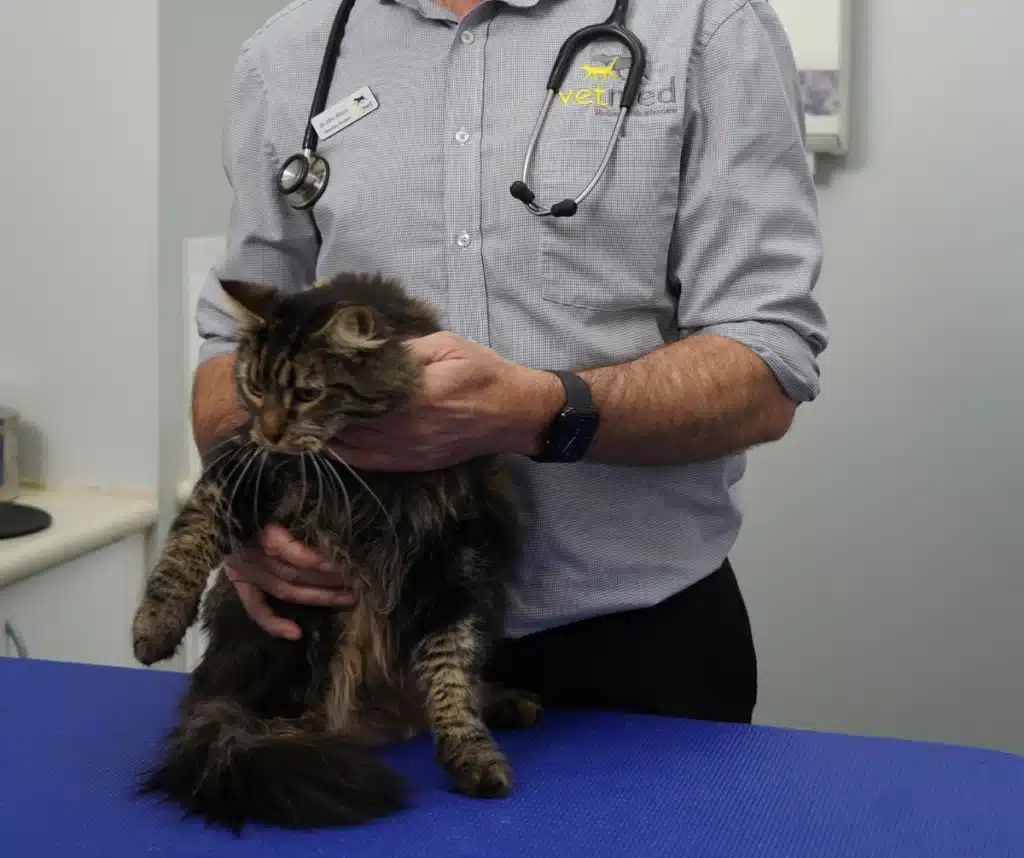
Not every lump is serious, but every new or changing lump deserves attention. Here is how to respond calmly and help your veterinarian assess it promptly.
Finding a new lump on your dog or cat can be worrying. Your mind may immediately jump to cancer, but lumps can have many causes, including fatty growths, cysts, inflammation, infections and benign skin changes.
A lump’s appearance, size or texture cannot reliably tell you what it is. Having it checked by a veterinarian is the best way to understand whether treatment or monitoring is needed.
What to Do When You Find a Lump
Start by noting exactly where the lump is. Take a clear photo with a ruler beside it and record the date you first noticed it.
You can also note:
- Its approximate size and shape
- Whether it feels soft or firm
- Whether it moves under the skin or feels attached
- Any redness, heat, hair loss, discharge or broken skin
- Whether your pet reacts when it is touched
- Any changes in appetite, energy or behaviour
Try not to repeatedly press, squeeze or poke the lump, as this can cause pain or irritation. Do not apply human creams or attempt to drain it at home.
Book a Veterinary Appointment
Even if the lump is small, soft or does not appear to bother your pet, it is worth arranging a veterinary check. Many lumps are harmless, but some concerning growths can look and feel similar to benign ones. Early assessment gives your vet more options if treatment is required and can provide reassurance sooner.
When booking, tell the clinic where the lump is, when you noticed it and whether it is changing. The team can advise how quickly your pet should be seen.
When Does a Lump Need More Urgent Attention?
Contact your veterinarian promptly if the lump:
- Is growing or changing quickly
- Is painful, hot, swollen or itchy
- Bleeds, oozes or develops an open surface
- Feels firmly attached to deeper tissue
- Interferes with walking, eating, toileting or normal movement
- Is accompanied by weight loss, reduced appetite, lethargy or other health changes
Seek urgent veterinary care if swelling affects your pet’s breathing or swallowing, or if they appear severely unwell, distressed or collapse.
What Happens During a Lump Check?
Your veterinarian will assess the lump’s size, location, texture and surrounding tissue. They may also check your pet’s lymph nodes and perform a broader physical examination.
Depending on what they find, your vet may recommend a fine needle aspirate.
This minimally invasive test uses a thin needle to collect cells from the lump for examination under a microscope. It can identify some types of lumps, but does not always provide a definite answer.
If more information is needed, a biopsy may be recommended. This involves collecting a larger tissue sample for more detailed examination. Blood tests or imaging may also be useful when a lump is deeper, close to important structures or requires further investigation.
What If the Lump Is Benign?
If testing shows that the lump is benign and it is not causing discomfort or affecting movement, your veterinarian may recommend monitoring rather than immediate treatment. Keep a record of its size and appearance, follow the recommended recheck schedule and arrange an earlier appointment if anything changes.
Pets can develop more than one type of lump, so do not assume a new growth is the same as one previously diagnosed. Each new or changing lump should be assessed individually.
Make Lump Checks Part of Your Pet’s Routine
Gentle, regular checks while patting or grooming your pet can help you learn what is normal for their body. Run your hands over their chest, abdomen, back and legs, as well as less obvious areas such as under the collar, around the armpits and between the toes.
Finding a lump does not automatically mean bad news. By recording what you notice and having it checked, you are taking a practical and important step for your pet’s health.
Book a Lump Check at Vetmed
If you have found a new lump or noticed a change in an existing one, book an appointment with a Vetmed veterinarian. Our team can examine the area, explain any recommended tests and guide you through the next steps.