
Grading Your Pet’s Teeth: What Dental Disease Stages Actually Mean
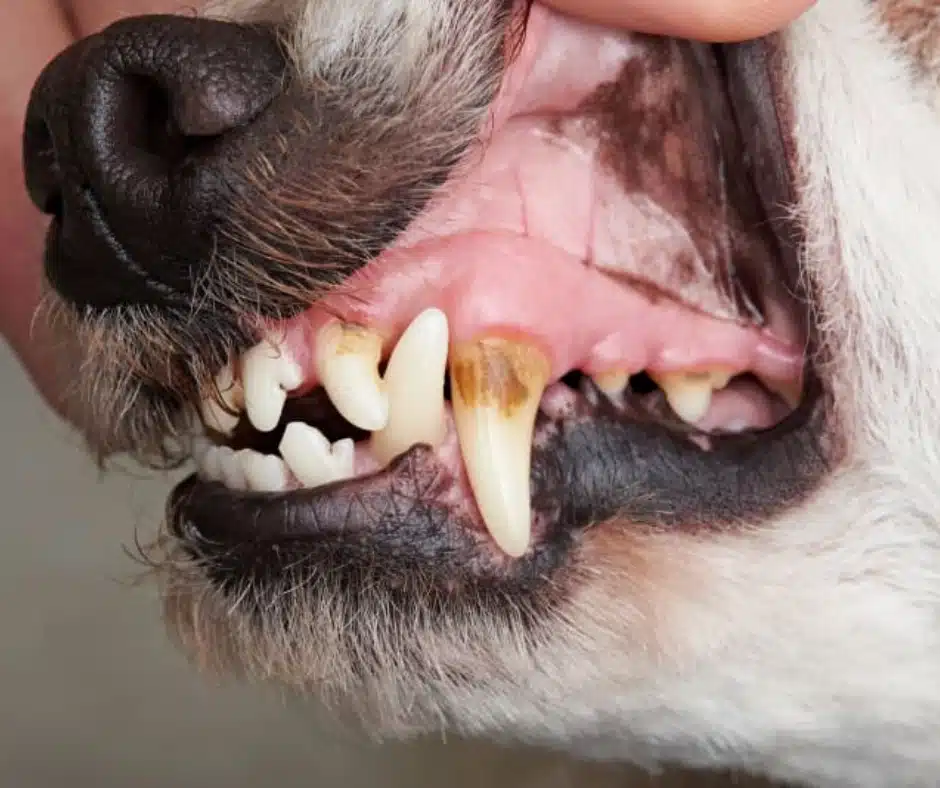
Dental disease is one of the most common health conditions affecting dogs and cats, yet many pet owners don’t realise there’s a problem until it’s quite advanced. Because our pets are so good at hiding pain, they can continue eating and behaving normally even while experiencing significant dental discomfort.
During a dental examination, your veterinarian may refer to different stages or grades of dental disease. Understanding what these grades mean can help you recognise the importance of early treatment and ongoing dental care.
Why Dental Disease Is Graded
Dental disease develops gradually over time. Grading allows veterinarians to assess the severity of the disease, determine the most appropriate treatment and monitor changes as your pet ages.
The earlier dental disease is detected, the easier it is to manage. Regular dental checks can often identify problems before they become painful or require more extensive treatment.
Grade 1: Early Gingivitis
This is the earliest stage of dental disease and is completely reversible with appropriate care.
At this stage, plaque has started to build up on the teeth, causing mild inflammation along the gum line.
Signs may include:
• Mild bad breath
• Slight redness around the gums
• Small amounts of plaque on the teeth
• No loose teeth or bone loss
Many pets show no obvious symptoms at this stage, making routine veterinary examinations especially important.
With professional cleaning and improved home dental care, Grade 1 disease can often be reversed before permanent damage occurs.
Grade 2: Early Periodontal Disease
As plaque hardens into tartar, inflammation becomes more significant and the infection begins affecting the tissues supporting the teeth.
You may notice:
• More noticeable bad breath
• Yellow or brown tartar build-up
• Red or swollen gums
• Mild gum recession
• Discomfort when chewing hard food
Although the damage is still relatively mild, treatment should not be delayed. Professional dental cleaning is usually recommended to prevent further progression.
Grade 3: Moderate Periodontal Disease
At this stage, dental disease has progressed below the gum line and begins damaging the structures that hold the teeth in place.
Common signs include:
• Heavy tartar build-up
• Bleeding gums
• Loose teeth
• Pain while eating
• Dropping food from the mouth
• Pawing at the face or mouth
Your pet may still try to eat despite being uncomfortable, which is why many owners don’t realise how much pain they’re experiencing.
Treatment often involves a thorough dental procedure under anaesthetic, including dental X-rays, deep cleaning and, in some cases, tooth extractions.
Grade 4: Advanced Periodontal Disease
Grade 4 is the most severe stage of dental disease.
By this point, significant infection, bone loss and tooth damage have occurred. Pets with advanced dental disease are often living with chronic pain.
Signs may include:
• Severe bad breath
• Loose or missing teeth
• Bleeding or infected gums
• Difficulty eating
• Facial swelling
• Weight loss
• Reluctance to play with toys or chew treats
Advanced dental disease may also allow bacteria to enter the bloodstream, potentially affecting important organs such as the heart, kidneys and liver.
Treatment often requires multiple tooth extractions alongside a comprehensive dental procedure.
Why Early Treatment Matters
Many pet owners worry that removing teeth seems drastic. However, diseased teeth are painful, and removing them often provides immediate relief and significantly improves a pet’s quality of life.
The earlier dental disease is treated, the more teeth can often be saved, reducing the need for complex procedures later on.
Helping Prevent Dental Disease
Good dental care starts at home and should be supported by regular veterinary check-ups.
Simple ways to protect your pet’s oral health include:
• Brushing your pet’s teeth with pet-safe toothpaste.
• Providing appropriate dental chews or veterinary dental diets.
• Scheduling routine dental examinations.
• Following your veterinarian’s recommendations for professional dental cleaning.
• Watching for changes in eating habits, bad breath or gum health.
A consistent routine can significantly reduce the progression of dental disease.
Healthy Teeth Mean a Healthier Pet
Dental disease is much more than a cosmetic issue. Left untreated, it can cause chronic pain, tooth loss and affect your pet’s overall health and wellbeing.
Understanding the different stages of dental disease highlights just how valuable early intervention can be. Regular dental checks and preventative care give your pet the best chance of maintaining healthy teeth and a comfortable, pain-free life.
If you’re concerned about your pet’s oral health or it’s been a while since their last dental examination, the team at Vetmed can assess their teeth and recommend the most appropriate treatment to keep them happy, healthy and smiling for years to come.