
Your Cat’s Complete Health Journey: Preventative Care Through Every Life Stage
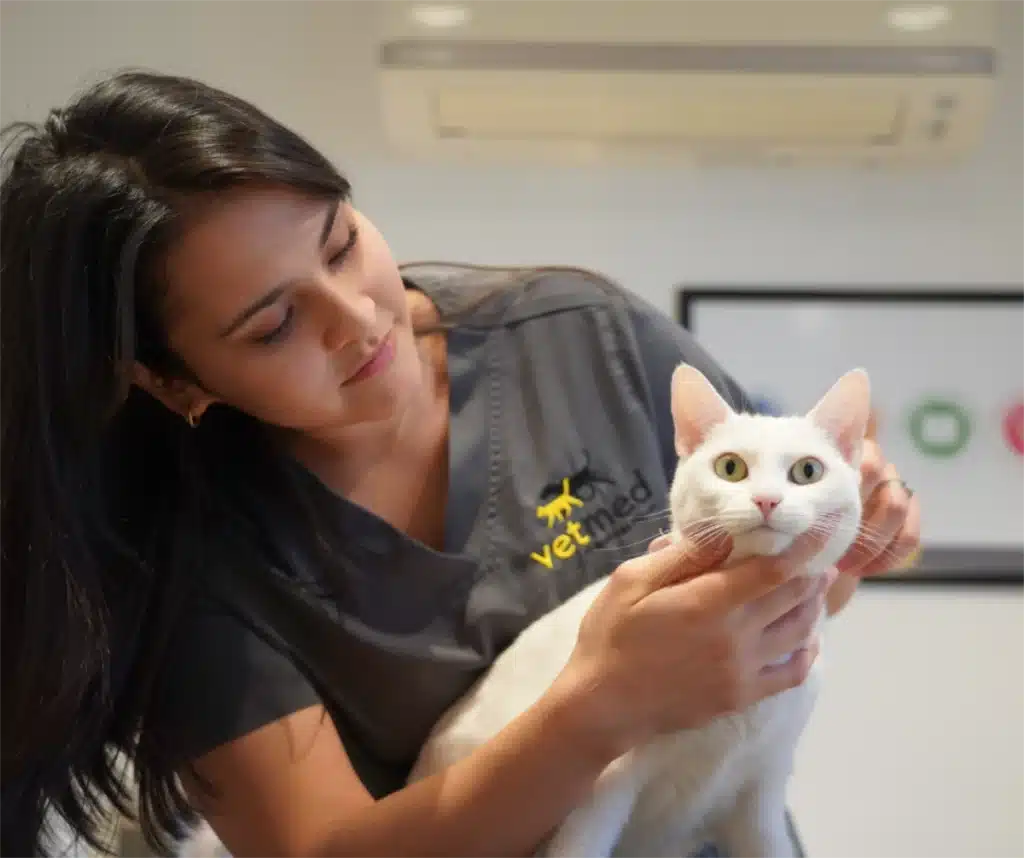
Cats are masters at hiding illness, which makes preventative care even more crucial for our feline friends. From kittenhood to their senior years, knowing what care your cat needs at each stage of life helps you stay one step ahead of potential health issues and ensures your cat lives their longest, healthiest life possible. At Vetmed, we’re dedicated to partnering with you every step of the way.
The Power of Prevention
Cats are notorious for concealing signs of illness until problems become serious. That’s why preventative care is absolutely essential. Regular veterinary visits, timely vaccinations, and age-appropriate screenings can detect issues before they become life-threatening. Investing in prevention today means more purrs, headbutts, and happy years with your beloved companion.
Kitten (Birth to 6-9 Months)
Those first few months are a whirlwind of adorable antics, rapid growth, and crucial development. This is when you set your kitten up for a lifetime of good health.
Health Checks
Your kitten needs several veterinary visits during this formative period:
• 6-8 weeks
• 12 weeks
• 16 weeks
• 6 months
These appointments allow your vet to monitor proper development, identify any congenital issues, and ensure your kitten is thriving.
Vaccinations
Kittens receive their core vaccinations (F3) at 6-8 weeks, 12 weeks, and 16 weeks. These critical immunisations protect against:
• Feline Enteritis
• Cat Flu (Feline Rhinotracheitis and Calicivirus)
Parasite Control
Even indoor kittens need protection from parasites:
Intestinal Worming: Every two weeks until 12 weeks old, then monthly until 6 months, and every 3 months thereafter.
Flea & Tick Prevention: Begin at 6-8 weeks with oral or spot-on treatments, or choose a yearly injection from 6 months.
Heartworm Prevention: Start at 12 weeks with oral medication or a yearly injection from 6 months.
Key Focus Areas
• Socialisation and training: Help your kitten become confident and well-adjusted
• Bite inhibition: Teach gentle play behaviour early
• Kitten-proofing: Create a safe environment for your curious explorer
• Microchipping: Required at 12 weeks for permanent identification
• Desexing discussion: Talk to your vet at 6 months, with the procedure typically performed between 6-12 months
Nutrition
Kittens need special nutrition to support their rapid growth:
• High energy and protein to support rapid growth and muscle development
• Balanced calcium and phosphorus for strong bones
• Frequent, smaller meals for digestive health
• Specialised kitten formula (adult cat foods don’t provide adequate nutrition)
Junior (9 Months to 3-4 Years)
Your kitten has grown into a young cat, full of energy and personality. This stage is about maintaining the excellent health foundation you’ve built.
Health Checks
• 15 months
• Annual checks from 2 years onwards
Vaccinations
Annual booster shots maintain your cat’s protection against disease.
Blood Tests
At 2 years old, a comprehensive blood test creates a baseline for your cat’s health. This becomes invaluable for detecting changes as your cat ages.
Parasite Control
Even if your cat never goes outside, continue protection:
• Intestinal worming every 3 months
• Flea and tick prevention (oral, spot-on, or yearly injection)
• Heartworm prevention (oral or yearly injection)
Key Focus Areas
• Weight control: Many cats become less active and gain weight during this stage
• First dental cleaning: If needed, address dental health before problems develop
• Continued enrichment: Mental stimulation prevents boredom and behavioural issues
• Breed screening: Some breeds benefit from specific health screenings
Nutrition
• Balanced diet for weight maintenance, energy, and muscle support
• Adjust portions according to activity level
• Include omega-3 fatty acids and antioxidants for skin, coat, and immunity
• Monitor body condition score to prevent obesity
Prime & Mature (4 Years to 8-10 Years)
Your cat still seems youthful, but subtle changes are happening internally. This is when preventative care really shines, catching potential problems before they become serious.
Health Checks
Annual veterinary visits continue to be essential.
Vaccinations
Maintain annual boosters to keep immunity strong.
Blood Tests
Comprehensive blood tests at 5 years and 7 years can detect early kidney disease, thyroid issues, diabetes, and other conditions common in middle-aged cats.
Parasite Control
Don’t skip parasite prevention:
• Intestinal worming every 3 months
• Flea and tick prevention
• Heartworm prevention
Key Focus Areas
• Early arthritis watch: Cats hide pain well, so watch for subtle changes like reduced jumping or grooming
• Muscle condition: Maintain lean muscle mass through play and appropriate diet
• Dental care: Regular professional cleaning prevents painful dental disease
• Reproductive checks: Monitor for any changes in spayed/neutered cats
Nutrition
• Slightly lower calorie diet to prevent gradual weight gain
• Maintain lean muscle mass with high-quality proteins
• Begin considering joint support supplements (glucosamine, chondroitin)
• Continue antioxidants to support early ageing immune changes
• Monitor for early signs of health issues (kidney, liver, dental, weight)
Senior (8-10 Years and Beyond)
Your senior cat has given you years of companionship, and now it’s time to return the favour with attentive care. Cats age faster than we’d like, and more frequent monitoring ensures they remain comfortable and happy.
Health Checks
Increase to every 6 months. Because cats hide illness so well, these more frequent visits are crucial for early detection and intervention.
Vaccinations
Annual boosters remain important, though your vet may adjust the vaccination schedule based on your cat’s health status and lifestyle.
Blood Tests
Comprehensive blood tests at 9 years, then yearly from 10 years onward, help monitor kidney function, thyroid levels, and overall organ health. Early detection of conditions like chronic kidney disease or hyperthyroidism can significantly improve outcomes.
Parasite Control
Senior cats still need protection:
• Intestinal worming every 3 months
• Flea and tick prevention
• Heartworm prevention
Key Focus Areas
• Pain and arthritis management: Keep your senior cat comfortable with appropriate medications and environmental modifications
• Cognitive changes: Watch for signs of cognitive dysfunction (disorientation, changed sleep patterns, vocalisation)
• Mobility adaptations: Provide steps or ramps to favourite spots, lower-sided litter boxes, and easy-access food bowls
• Quality of life: Prioritise comfort and happiness in all decisions
Nutrition
Senior cats have unique nutritional needs:
• Lower calorie, higher fibre diets to prevent obesity and aid digestion
• Easily digestible proteins to maintain lean muscle mass
• Joint support nutrients (glucosamine, chondroitin, omega-3)
• Adjust sodium, phosphorus, and protein as needed for kidney/liver health
• Focus on hydration and palatability (senior cats often drink less and can be pickier eaters)
Understanding Your Cat’s Unique Needs
While this guide provides a comprehensive roadmap for feline preventative care, every cat is different. Breed, lifestyle, indoor vs outdoor status, and individual health history all play a role in determining the best care plan for your cat.
Indoor cats may have different parasite prevention needs than outdoor cats. Some breeds are predisposed to certain conditions requiring additional monitoring. Cats with chronic conditions need more frequent care than healthy cats of the same age.
Your Veterinarian: Your Cat’s Best Advocate
Preventative care is an investment in your cat’s future. While it may seem like a lot to keep track of, these routine measures can prevent serious, costly, and painful conditions down the road. More importantly, they give you more quality time with your feline friend.
Remember: This guide is intended for informational purposes only and does not replace personalised veterinary advice. Always consult your veterinarian before starting, changing, or combining vaccinations, blood tests, parasite control, nutrition plans, or any other preventative care measures.
Your cat has chosen to share their life with you. Return that trust by giving them the preventative care they need at every stage of their journey.
At Vetmed, we understand the unique needs of cats at every life stage. Our experienced team is here to partner with you in keeping your feline friend healthy and happy. Contact your local Vetmed clinic to schedule your cat’s preventative care appointment today. With clinics in .Lindfield, Randwick, Forestville, and Northbridge. Vetmed makes proactive pet care easy and accessible.